
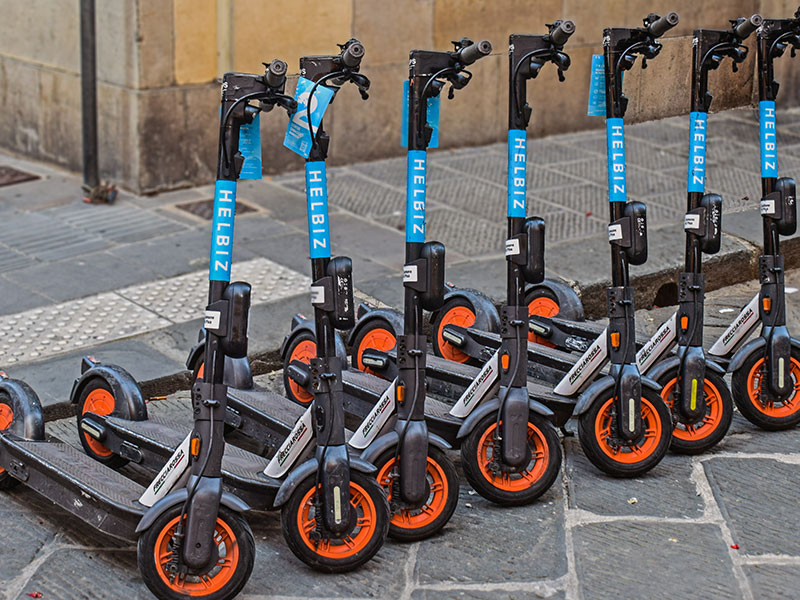
Shared electric scooters have rapidly gained popularity as a flexible form of urban mobility, but as the market matures, it faces both challenges and new opportunities. Experts predict that by 2024, the shared electric scooter industry will enter a more stable and sustainable phase of growth.
Challenges Ahead
The rapid expansion of the shared electric scooter industry has brought its own set of problems. One of the main challenges is city infrastructure and regulation. Many cities lack dedicated lanes and parking areas, creating management issues for shared scooters. Additionally, improper user behavior, such as reckless parking and speeding, has raised concerns about traffic safety and regulation enforcement.
Opportunities Through Technological Innovation
Despite these challenges, the shared electric scooter industry still holds vast potential. Technological advancements, particularly in AI and IoT, will help improve fleet management and user experience. For example, GPS and remote control technology enable operators to track scooters more effectively, optimizing fleet deployment and parking. Moreover, intelligent safety systems can automatically adjust speeds, enhancing rider safety.
Collaboration with Cities
In the future, shared scooter services will increasingly depend on collaboration with city governments. By developing clearer policy frameworks and supporting infrastructure, cities and shared scooter companies can work together to address traffic issues and promote green mobility. Amakou is committed to fostering such collaborations by providing high-end shared scooter solutions that contribute to sustainable urban transport.